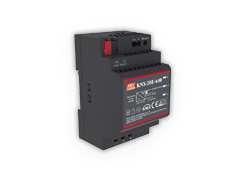
Meanwell
Intelligent Buildings
Building Automation
A building automation system is an intelligent system, connecting HVAC, lighting, security, and other systems together in an effort to communicate on a single platform. This allows delivery of critical information on the operational performance of the building, as well as enhancing safety and comfort.
Internet-connected facilities allow for centralized and programmable control that automates building management, which means greater power efficiency and cost savings for the consumer. Connected sensors can monitor changes in a building's environment and activate air conditioning, humidity control, lighting, access control, and more. Pressure sensors, temperatures sensors and switches are especially important in monitoring HVAC systems. Efective pressure sensors allow for accurate temperature control, ensure personal comfort and provide optimal factory operation.
Connected sensors can also help build a robust security program throughout a facility, promoting access control for specific users. Such programmable sensors, paired with access control cards, can determine who can or cannot enter certain sections of a building. They can also help with lighting and elevator efficiency at all hours, creating a facility with optimal security and cost-efficiency.
Smart Home / HVAC
Smart homes with smart technology in HVAC systems is a type of intelligent building. Smart homes use automated processes to control their operations, including heating, ventilation, air conditioning, lighting and security systems. This infrastructure helps facility owners and operators improve asset reliability and performance. In turn, this reduces energy use, optimizes how space is used and minimizes the environmental impact of the building. The concept of a smart building has existed for many years and now that concept has been brought to life and made available for practical use.
From an efficiency standpoint, there are many benefits to having automated controls to manage HVAC systems. Much of the wasted energy in HVAC systems is generated when systems are running to heat or cool down a space that is not actively being used. The larger the building, the more complex the airflow/heating systems within the building. Inversely, this creates a complex set of control unit requirements.
Applications for Smart Home / HVAC
- Ventilation
- Air Condition
- Heating
- Smart Blinds
- Smart Thermostats
- Smart Furniture
Lighting
Within the design of an intelligent building, modern, compatible lighting systems must also be considered.
Industrial Lighting
Industrial lighting has been revolutionized over the past two decades as solid-state lighting has replaced incandescent and fluorescent lights. Legacy lighting systems are costly, powered by filament, generate an excessive amount of heat and hold a short lifespan. The transition from this dated lighting system to modern solid-state technology has allowed for full customization, high efficiency, greater durability, and longer lifespan in industrial lighting. From lighting development kits and LEDs to fixtures and lighting connectors, a TTI Specialist will help you ensure your lighting design is bright, as well as efficient.
General Lighting
The rapid growth and capabilities of LED lighting has also allowed for broader usage. Consumers (industrial, commercial and general) experience all LED lighting has to offer as a bright, durable, and energy-efficient lighting solution. LEDs are used in many critical applications, such as traffic lights, streetlights and vehicle illumination, requiring optimal reliability. Switches, drive circuitry, controllers and fuse boxes are crucial in allowing full functionality, even in harsh or unusual conditions.
Indoor / Outoor Signage
Advancements in LEDs have revolutionized signage, creating the ability to effortlessly illuminate colorful, bright displays that are efficient, low-profile and can handle rapid cycling. Two key elements to signage lighting are low-profile connectors and flat surface design that saves space. For outdoor signage, UV-resistant housing is crucial to ensure that components can withstand direct or indirect sunlight for long periods of time without degrading. Critical outdoor components, such as streetlights and illuminated traffic signs, require robust protection against overvoltage caused by lightning strikes or other power issues. Pole-mounted breakaway fuses can aid in keeping the lights on through the worst storms.
Horticulture
Advancements in horticultural lighting are as crucial as ever as the global population continues to rise and available land to plant and farm dwindles. Massive indoor growing operations rely on efficient and highly customizable lighting systems to facilitate growth in greenhouses and vertical farms to maintain a range of crops, from vegetables to cannabis. Technology has made this new approach to plant production widely successful, with perks including high yields, less water usage, year-round growing capabilities, and fewer insect issues. Horticultural lighting provides unique solutions in an environment where even the slight change in lighting and temperature may affect crop growth. Indoor farming LED systems must allow for easy install and save space with compact design. Additionally, heat sinks or cooling components are often required alongside the lighting to reduce temperature changes caused by lighting systems.
Safety & Security
Designing an intelligent building will likely require compatible safety and security features with smart technology. Monitoring oxygen or smoke for fire protection is necessary for all public buildings or factory and office facilities, but also for private houses within most European contries. Additionally, there is a rising need to integrate security services like automated door controls, key-systems and camera systems.
Applications for Safety & Security:
- Access Control
- Keyless Entry
- Fire Detection
- Gas Detection
- Video Surveillance
- Alarm Systems
Metering
Intelligent buildings often incorporate metering systems with smart technology. These energy meters can be split into electrical, gas, water, heat or electronic vehicle charging meters. Building meters with the right components allows for energy-saving opportunities. Submetering allows facility managers to track energy consumption by area, department, tenant and individual pieces of equipment (when used with a building management system). This information can be used to allocate costs, create an energy savings plan and more.
Applications for Metering:
- Smart e-Meter
- Water Monitoring & Shut-off
- Energy Meter
Featured Products




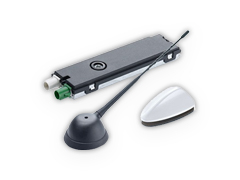

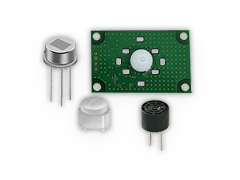

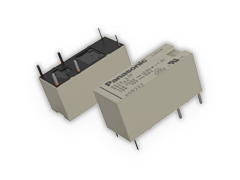
Literature
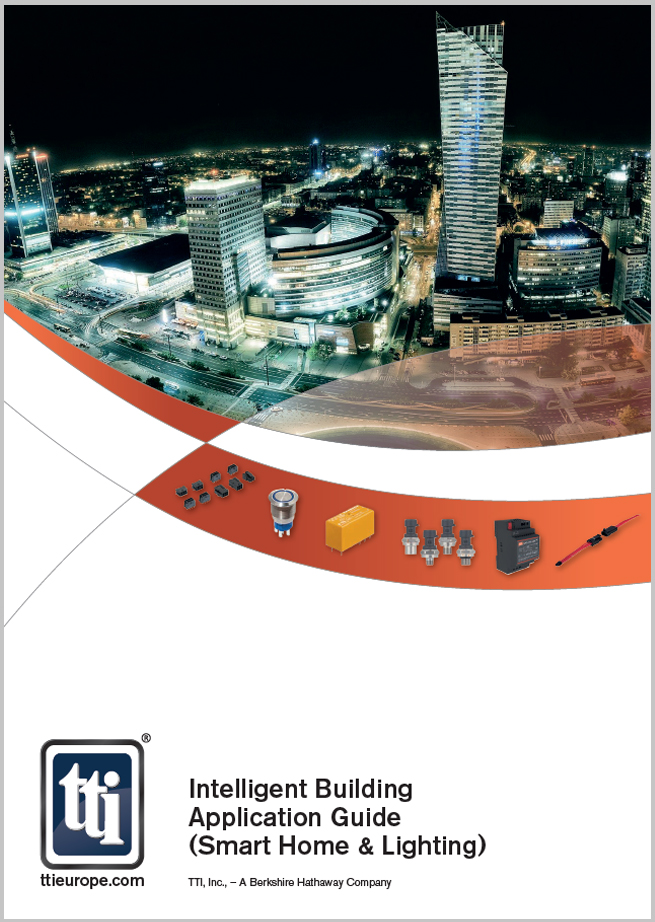
Discover our broad range of components designed for Intelligent Building applications.
Download: Brochure
Download: Brochure
Featured Suppliers